

People ask me this question every single day: What are the actual Differences between Residential And Commercial Property?
What are the actual Differences between Residential And Commercial Property?
It is the ultimate real estate debate. Both check property options cost serious money. Both can make you wealthy over time.
But they work in completely different ways.
If you are wondering which is better, commercial or residential property, you are in the right place.
I am not going to give you textbook definitions copied from Google. I am sharing what actually works.
Having managed property sales and marketing in the NCR region, I see real numbers daily.
Let’s dive into the ground reality of real estate investment.
Differences between Residential And Commercial Property Defined Without the Technicalities
Forget the complex real estate jargon for a minute.
Let’s look at the real-world Differences between Residential And Commercial Property.
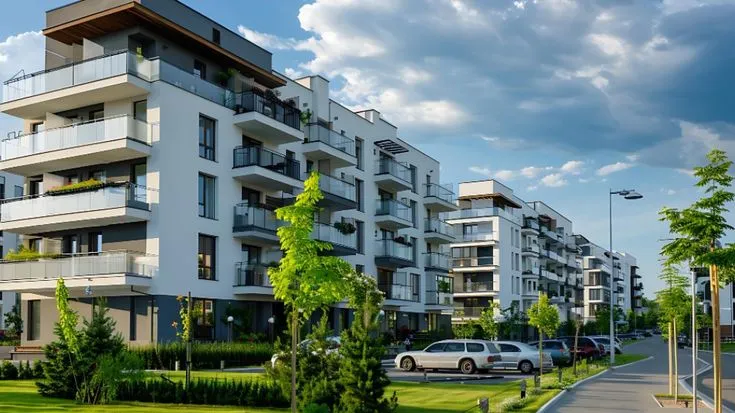
Residential properties are places where people sleep and live peacefully. Think of flats, villas, or independent builder floors, and also plots where people develop their plots and live their lives peacefully.
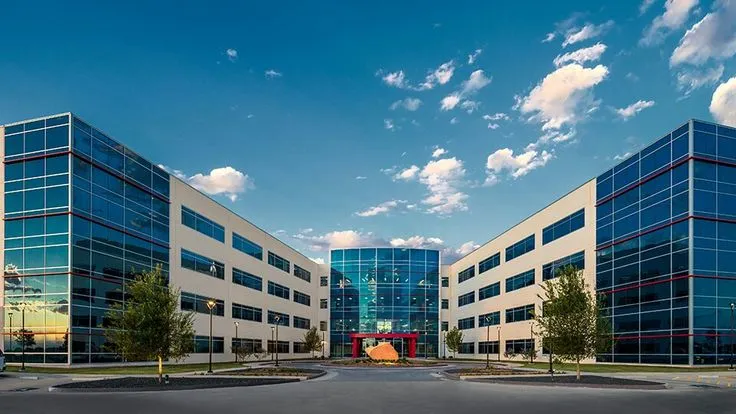
Commercial properties are places where people do business. Think of retail shops, office spaces, or large warehouses, whether it is for rent or on their personal land and spaces.
When a family rents your flats, villas, or independent builder floors, they want an emotional connection with you. They want good schools, markets, and shopping malls nearby, and a safe society.
This core mindset changes everything about how you buy, manage, and sell these assets.
Commercial vs residential property investment in India
The Indian real estate market has changed dramatically in recent years.
Commercial vs residential property investment in India is no longer a simple choice.
Years ago, everyone just bought an extra flat for rental income. Today, smart investors are thinking differently.
Let’s break down the major factors you must consider before spending your money.
ROI in commercial vs residential real estate (The Game of Returns)
Let’s talk about the money you take home.
When you compare roi in commercial vs. residential real estate, commercial usually wins.
A standard residential flat in a good city gives a 2% to 3% yearly rental yield.
A commercial shop or office space can easily give a 6% to 9% rental yield.
If you are asking, is commercial property better than residential for rental income? The mathematical answer is yes.
Commercial spaces generate higher cash flow every single month.
However, residential property often grows in capital value faster over 10 to 15 years.
The Truth About Financing: Commercial property loan vs home loan interest rates
Buying property usually means dealing with banks.
Here, the Differences between Residential And Commercial Property become very clear.
Home loans are heavily promoted by banks. They are easy to get.
If you look at commercial property loan vs. home loan interest rates, home loans are much cheaper.
Home loans might cost you around 8.5% to 9% interest. They also come with 20-year repayment terms.
Commercial loans are considered riskier by banks.
They charge higher interest rates, andit’ss very high for the middle class, and it’s often between 10% and 13%.
Plus, commercial loans usually have shorter repayment periods, like 10 to 12 years. Because, as per the rules and regulations of the court, payment will gave in the sorter time for the payment plans in written form.
Residential vs commercial property tax comparison & Legal Headaches
Nobody likes taxes, but they are a reality of investing.
When you do a residential v. commercial property tax comparison, residential properties offer better tax breaks.
Homebuyers get deductions on principal repayment under Section 80C.
They also get deductions on interest paid under Section 24(b).
Commercial properties do not get these same retail tax benefits.
However, businesses can claim depreciation on commercial assets to save on corporate taxes.
The legal paperwork is also very different.
Commercial vs residential lease agreement terms show a massive gap in complexity.
Residential leases are standard 11-month rent agreements. They are easy to draft.
Commercial leases run for 3 to 9 years. They involve lock-in periods and strict escalation clauses. Before the court order, the lease period in India was 99 years for every purpose, whether commercial or residential.
So, which is better: commercial or residential property?
There is no single correct answer to which is better:r commercial or residential property.
It depends heavily on your different kind of budget, risk appetite, and time management.
Let’s look at the practical pros and cons of both sides.
Commercial property kharidne ke fayde (The Bright Side)
Many of my clients ask about commercial property kharidne ke fayde (benefits of buying commercial).
Here are the top reasons people love commercial real estate:
Longer Leases: Businesses stay longer. You do not have to find a new tenant every year. Because if you change the tenant every year, you will lose the actual appreciation of you Commercial Property. Professional Tenants: You are dealing with business owners, not emotional families. Zero Furnishing Headaches: Commercial tenants do their own interior fit-outs. You just give bare walls. Consistent Cash Flow: The monthly cheques are bigger and more reliable. B2B Dynamics: Rent collection is usually structured and professional.
Difference between residential and commercial property for rent (Safety of Homes)
Despite the lower rents, many people stick to residential.
The biggest difference between residential and commercial property for rent is finding a tenant.
Everyone needs a place to live. Finding a family for a flat takes just a few weeks.
Here is why residential properties are still a great idea:
Easy to Buy: Lower down payments and cheaper home loans make it accessible. Easy to Find Tenants: The pool of prospective tenants is large in every growing city. Recession-proof: A downturn in the economy does not diminish the demand for housing. Tax Incentives: Homeownership receives government encouragement through tax reductions. Familiarity: It is easier for a beginner to understand how a home works.
The Dark Side: Risks and Exit Strategies
Real estate is not a guaranteed path to wealth in India.
If you do not know the Differences between Residential And Commercial Property, you can lose money.
Let’s discuss the risks no one talks about on social media.
Facing the risks in commercial property investment in India
We have to talk about the risks in commercial property investment in India.
The biggest risk is vacancy time.
If your flat is empty, it might take a month to find a new family.
If your commercial shop becomes vacant, it could sit vacant for six months to a year.
A vacant commercial property still requires you to pay heavy maintenance charges.
This can drain your bank account very quickly.
Also, commercial properties rely heavily on the local economy.
If a new mall opens nearby, your standalone shop might lose its footfall overnight.
The Resale Reality: Resale value of commercial vs residential property
Eventually, you will want to sell your property.
The resale value of commercial vs residential property behaves differently.
Residential property is highly liquid.
If you price a flat correctly, you can sell it in a few months. There are thousands of buyers.
Commercial property is highly illiquid.
Selling an office space or a large retail shop takes time.
You are looking for a specific investor with deep pockets. This can take a year or more.
Common Mistakes I See Investors Make
In my daily real estate operations, I see buyers make the same mistakes repeatedly.
Knowing the Variances Between Residential and Commercial Property Will Save You From These Blunders.
Here are the primary errors you need to avoid:
Ignoring the location: A low-cost shop on the third floor of a dead shopping center isn’t a bargain. Underestimating maintenance: Commercial maintenance bills are huge. Always factor them into your ROI. Mixing emotions with business: Do not buy a commercial space just because it looks pretty. Buy it for the footfall. Over-leveraging: Taking a high-interest commercial loan without a locked-in tenant is financial suicide. Skipping the due diligence: Commercial zoning laws are strict. Ensure the property has all commercial approvals.
How to Make Your Final Choice
You now know the real Differences between Residential And Commercial Property.
How do you finally decide what to buy?
Use this simple real-world framework to make your choice.
Choose the Residential Property if:
You are a first-time investor with a limited budget (always check all details before investing). High tenant demand provides safety for your capital, while low-interest home loans make financing easy. Additionally, saving money on income tax is important to you, and living in the property yourself in the future remains a great option.
Choose Commercial Property if:
You have a large budget and can handle market risks comfortably. Generating high monthly passive income is your main priority, and avoiding annual tenant changes sounds ideal. Having enough cash reserves handles long vacancy periods easily, provided local business trends and footfall dynamics make sense to you.
Final Words: Your Next Steps
When it all comes down to it, what is better: commercial or residential real estate?
The one that is better depends on your plan for your money
Understanding the Differences between Residential And Commercial Property is just the first step.
Both asset classes have created millionaires. Both have caused bankruptcies.
It’s not just about selecting the best category.
It’s about selecting the right location, at the right price, with the right tenant.
Do your ground research. Talk to local experts who actually close deals.
Do not rush your decision. Real estate is a long game. Play it wisely.
Leave A Comment